

Wood furniture care
Wooden furniture lasts for generations — if you care for it properly. A quality oil and wax nourish the wood, restore its color and protect it without covering it in an artificial shine.
Watch out for common “polishes” — many of them are based on silicone (e.g. dimethicone). It gives an instant shine, but over time it builds up in layers, gets slippery, is hard to remove and can soak into the wood and complicate every future restoration. Walrus Oil takes a different path: natural oils and waxes like Furniture Finish and Furniture Polish, which nourish and protect the wood at once — without silicone or harsh chemicals.
01Why avoid silicone polishes
Silicone polishes create an instant shine, but it just sits on the surface. It gradually builds up into layers that get slippery or rubbery and become harder and harder to remove. Worse, silicone can soak into worn lacquer and into the wood itself. Then restoration becomes a nightmare — the surface has to be aggressively sanded and degreased before a new finish will even adhere.
02Care basics: oil, then wax

For a new or restored surface there's a simple rule — oil first, then wax. The oil penetrates the wood and nourishes it from within; if wax came first, the oil could no longer get inside.
1. Oil (Furniture Finish – matte “Danish Oil” look):
- sand the surface to 220–320 and wipe off the dust,
- apply a thin coat, massage it into the wood,
- let it 12–24 h to dry and buff off the excess,
- on heavily used pieces apply 2 or more coats.
2. Wax: once the oil has dried, apply with a non-abrasive pad a thin coat of wax — it seals the surface and adds a silky look. For the final wax coat, let the wood cure for up to 4 weeks before it comes into contact with water. (We restock the Furniture Butter paste wax periodically; in stock we keep Furniture Polish.)
Furniture Finishfurniture oil · matte “Danish Oil” look · food-safeBuy › ★ FOR RESTORATION Furniture Polishrestore and protect finished wood · silicone-freeBuy ›
  Furniture Butterpaste wax · water-repellent · satin sheenBuy ›
03Restoring and polishing finished wood
Already have finished furniture that's just lost its shine? Reach for Furniture Polish — a natural conditioner of beeswax and carnauba wax, safflower and tung oil. It revives faded wood, brings out the grain and adds a satin surface with water resistance — silicone-free.
- apply a thin coat with a clean cloth or polisher, evenly into the surface,
- let it about 1 hour to work,
- buff off the excess to a smooth, natural shine.
Oil, wax, or polish?
| Oil (Furniture Finish) | Wax (Furniture Butter) | Polish (Furniture Polish) | |
|---|---|---|---|
| What it does | nourishes from within, matte finish | seals, water-repellent | revives and buffs finished wood |
| When | new / restored piece | after oil, as a seal | quick revive of finished wood |
| Order | always first | after oil | any time on a finished surface |
04Indoor vs outdoor + what it suits
For indoor furniture the ideal choices are Furniture Finish and waxes. For heavily used and outdoor wood (garden furniture, decking, exotic species) reach for more durable oils:
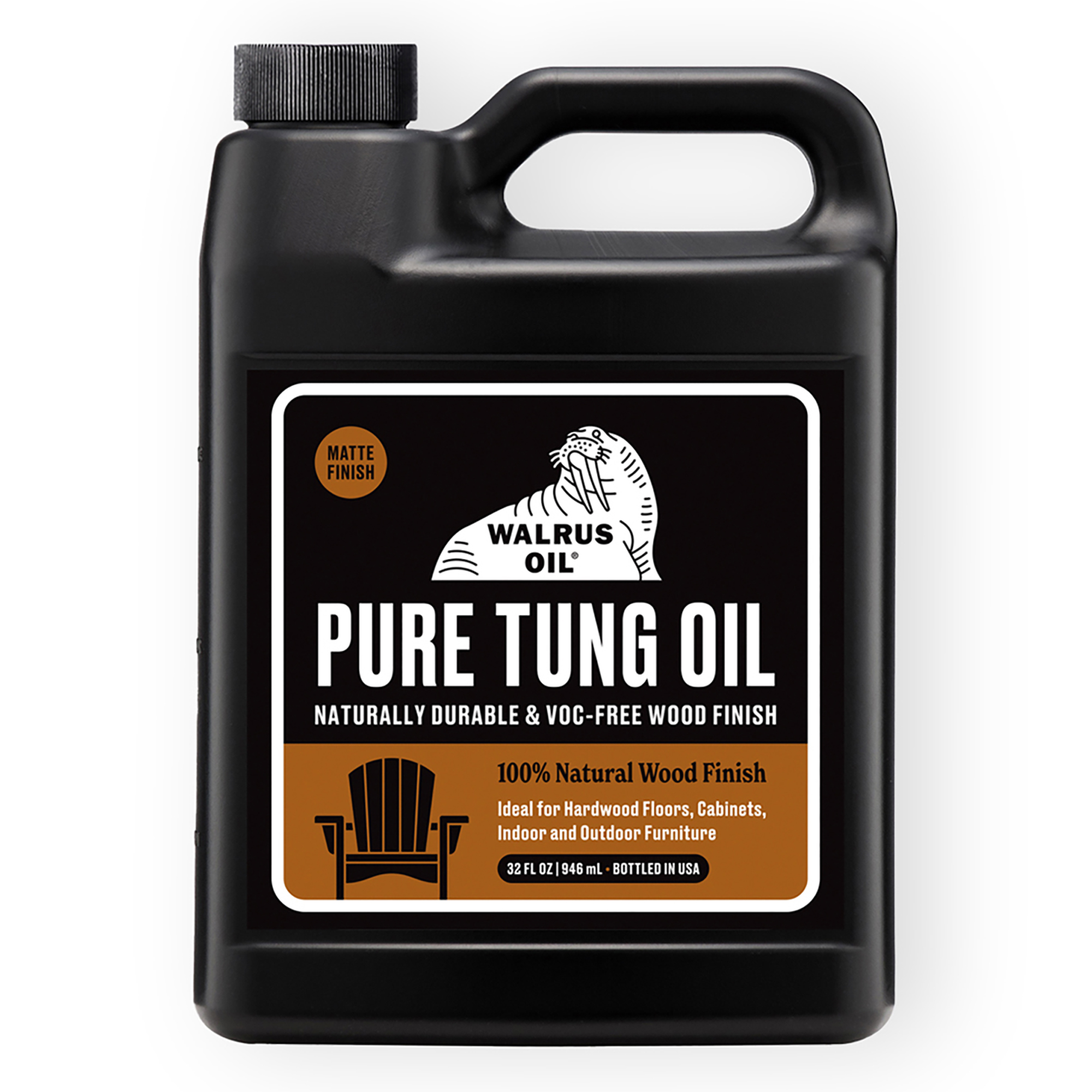 Pure Tung Oilmost water-resistant · outdoors and wet surfacesBuy ›
 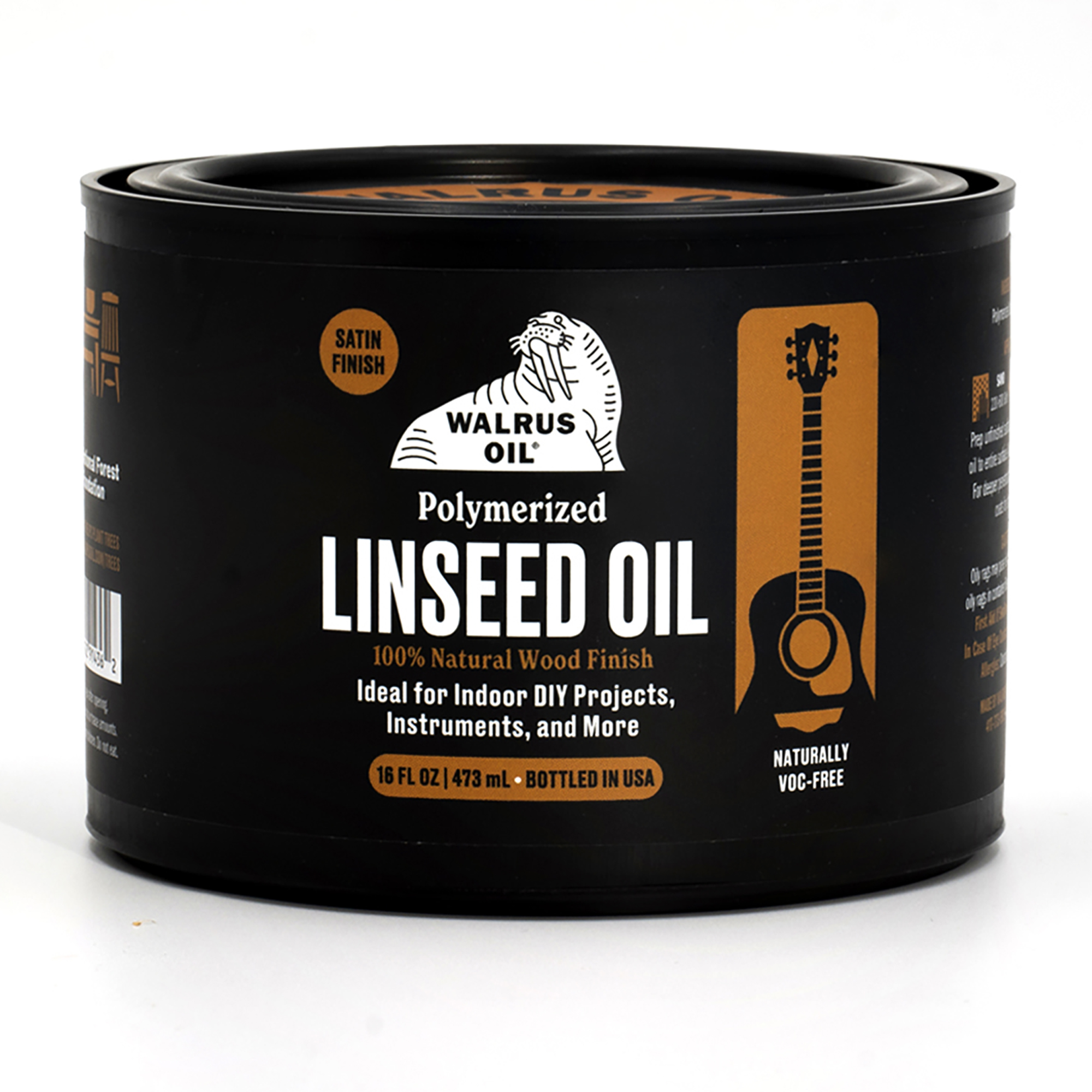 Linseed Oilfast-drying · durable satin protectionBuy ›
Walrus Oil care is food-safe and suits a wide range of wood — dining and coffee tables, dressers, nightstands, bookcases, shelves, antique restoration and DIY projects. It's especially good for reviving older finishes that have lost depth and shine.
Choosing an oil by wood species
| Wood | Recommended |
|---|---|
| Softwood (pine, spruce) | Furniture Finish – nourishes evenly |
| Hardwood (oak, beech, walnut) | Furniture Finish + wax for depth |
| Exotic / oily (teak, ipe) | Tung Oil – polymerizes better |
| Outdoor / heavy use | Tung or Linseed Oil |
Restoring old and garden furniture step by step
- Clean and degrease the surface, remove old oil or wax,
- sand back damaged lacquer well (220–320) and wipe off the dust,
- apply Furniture Finish (outdoor wood Tung Oil), let it dry, buff off the excess,
- on heavily used pieces add a second coat, and finally wax if you like,
- keep a finished surface revived over time with Furniture Polish.
Dining table care
A dining table faces water, heat and food. Treat it with food-safe Furniture Finish (2 coats), revive it regularly with Furniture Polish and before contact with water let the final finish cure. Always put hot cookware on a trivet.
- avoid silicone polishes — they complicate future restoration,
- on a new surface always oil first, then wax,
- heavily used pieces = 2+ coats of oil, 12–24 h between coats,
- revive finished wood with Furniture Polish (1 h to work, buff),
- outdoor wood = Tung or Linseed Oil.
Care for your furniture naturally
Walrus Oil oils, waxes and polishes for furniture and wooden surfaces — silicone-free, food-safe.
Browse Walrus Oil wood careRelated products and categories
- Oil: Furniture Finish · Polish: Furniture Polish · Wax: Furniture Butter
- Outdoor: Tung Oil, Linseed Oil
- All: Walrus Oil wood finishing
Related guides
- Blotchy finish after oiling? Causes and how to fix it
- How to care for a cutting board
- Everything about the Walrus Oil brand
Frequently asked questions (FAQ)
Why not use silicone polishes?
Silicone just sits on the surface, builds up, gets slippery and is hard to remove. It can soak into lacquer and wood and complicate future restoration — which then needs aggressive sanding and degreasing. Natural oil and wax genuinely treat the wood.
Do you apply oil or wax first?
Always oil first and wax only after it has dried. Oil wouldn't penetrate a waxed surface and the result would be uneven.
How do I treat a dining table so it's food-safe?
Walrus Oil products are food-contact safe. For a dining table use Furniture Finish and if needed buff with Furniture Polish.
Can oil be applied over old lacquer?
Oil needs to penetrate the wood, so it doesn't work on intact lacquer. Sand off the old lacquer first. On an already oiled/finished surface a revive with Furniture Polish.
How do I treat outdoor garden furniture?
Outdoor wood needs durability and water resistance — use Pure Tung Oil or Polymerized Linseed Oil. Before treatment, clean the surface and let it dry.