
Walrus Oil Wally's Paste Wax 113 g – rust protection wax for tools and saw tables
Code: 8968/000113Product detailed description
Protective wax for metal — stop rust on saw tables and tools
A natural wax paste developed as a metal conditioner: it protects table saw tops and tools with exposed metal surfaces from rust, cuts surface friction for smoother, steadier work, and brings the shine back to the metal. A thin coat dries in 2–4 hours and leaves no sticky or greasy film — just a smooth, protected surface.
What waxing your metal gets you
The metal surfaces of machines and tools are the biggest investment in any workshop — and moisture is their worst enemy.

Rust doesn't stand a chance. And the stock glides.
A little moisture is all it takes for the first rust spots to show on a cast iron saw table. On clean metal, Wally's Paste Wax forms a protective wax layer that keeps corrosion out — and thanks to the reduced surface friction the workpiece glides smoothly and evenlyacross it. Your tools stay in shape, look good and are simply nicer to work with.
- prevents rust on exposed metal surfaces
- cuts surface friction — smoother feed and steadier work
- restores shine and keeps tools in top condition
- no sticky or greasy film once dry and buffed
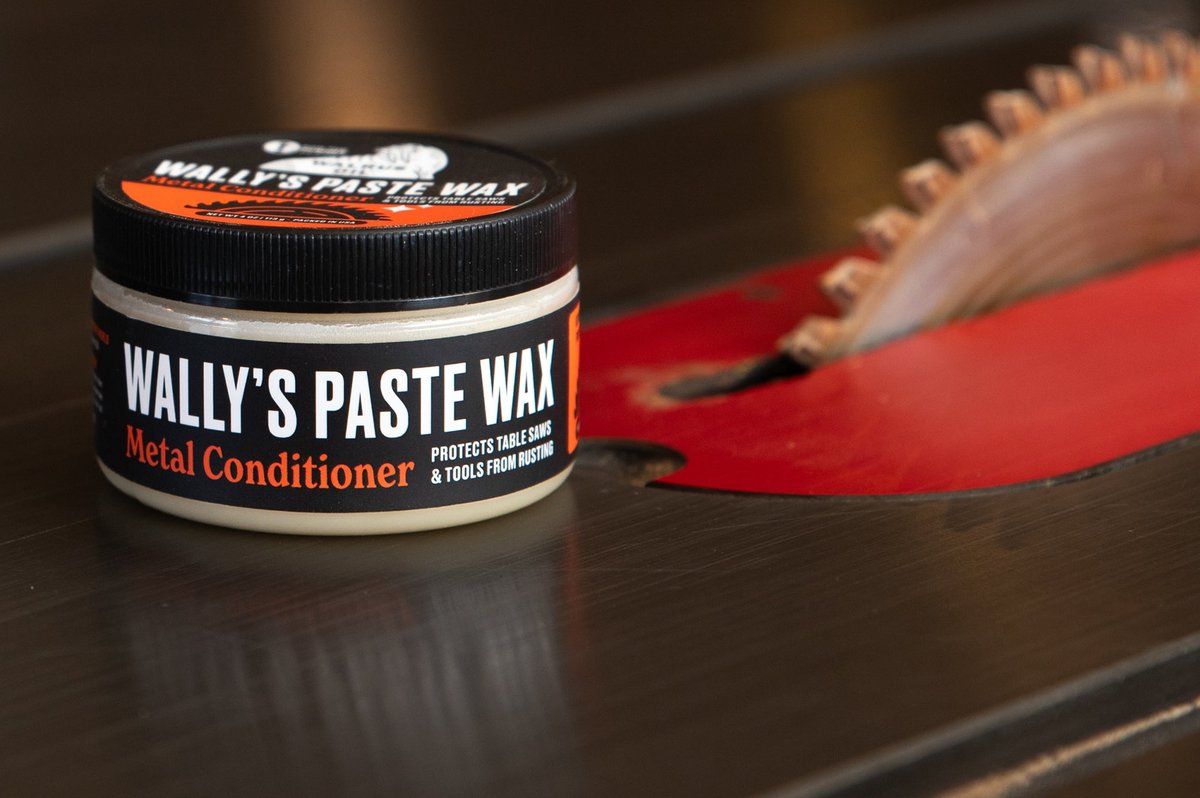
One tin for all the metal in the workshop
The maker developed it above all for table saw tops, but it protects any tool or piece of equipment with an exposed metal surface. Its lasting protection comes down to three ingredients: carnauba wax cuts surface friction, castor wax repels water and extends the protection, fractionated coconut oil conditions the metal and keeps corrosion away.
- cast iron and steel tops of table saws and other machines
- saw blades and hand tools
- other equipment with exposed metal surfaces
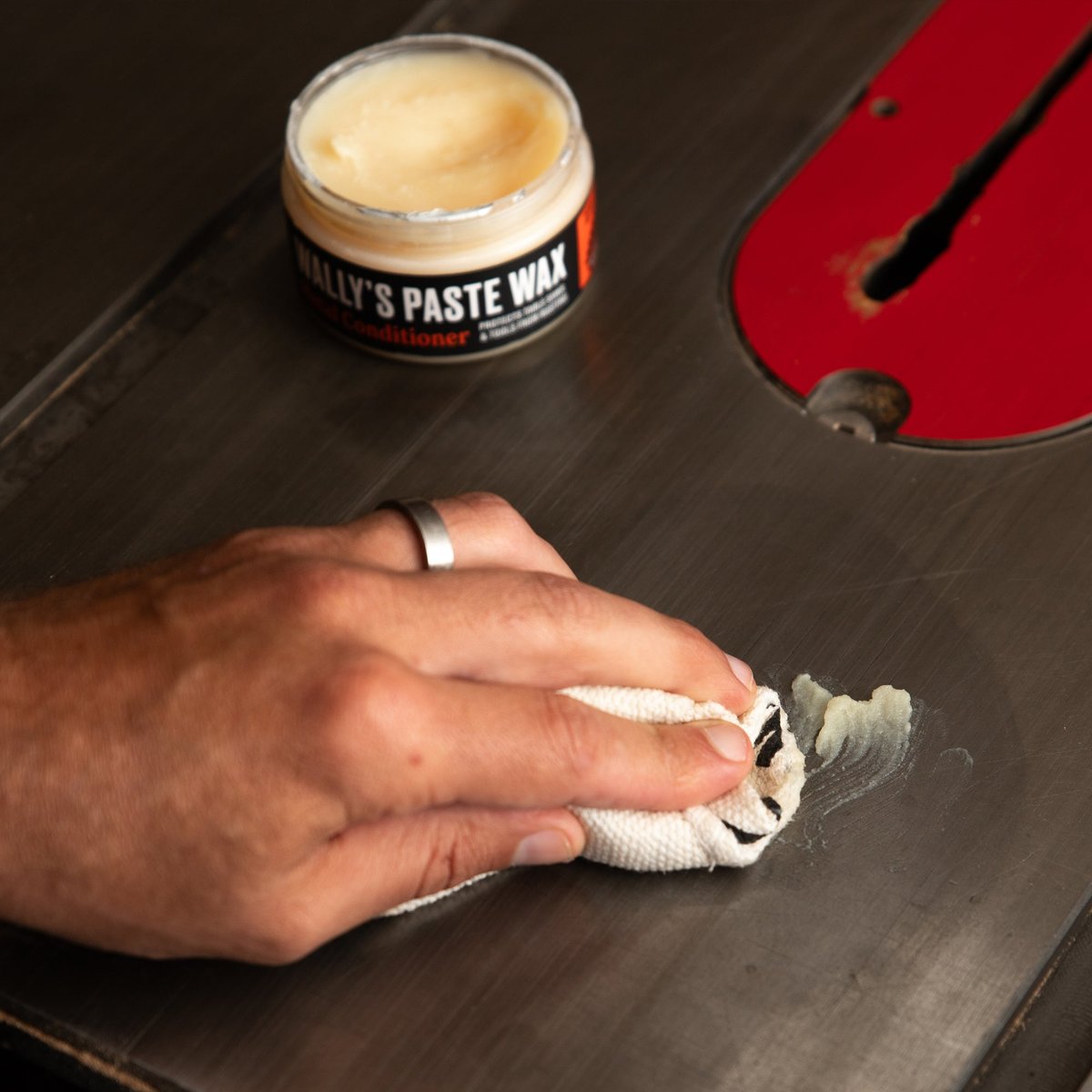
Application step by step
The maker's official procedure — four steps and no special equipment.
- Clean the surface — remove dust, sawdust and dirt from the metal.
- Apply a small amount — spread a thin coat of wax with a cloth.
- Let it dry for 2–4 hours.
- Buff off the excess — wipe the remaining wax away with a dry cloth; the surface stays smooth, with no sticky residue.
Complete care for your metal equipment
Wally's Paste Wax is part of the Walrus Oil range for metal care and protection — each product has its own speciality.

Knife Oil
BLADES · WOODEN HANDLESA natural knife oil — protects the blade against corrosion and cares for wooden handles too.
Knife Oil →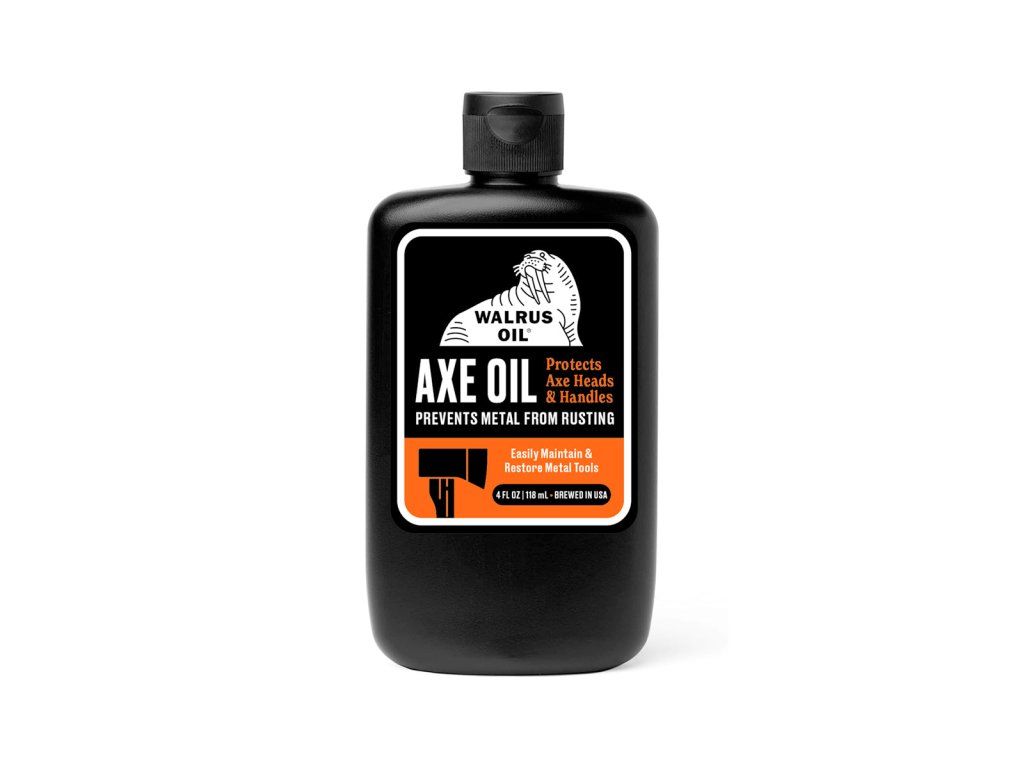
Axe Oil
AXES · METAL TOOLSA natural oil that protects axes, knives and metal tools against corrosion.
Axe Oil →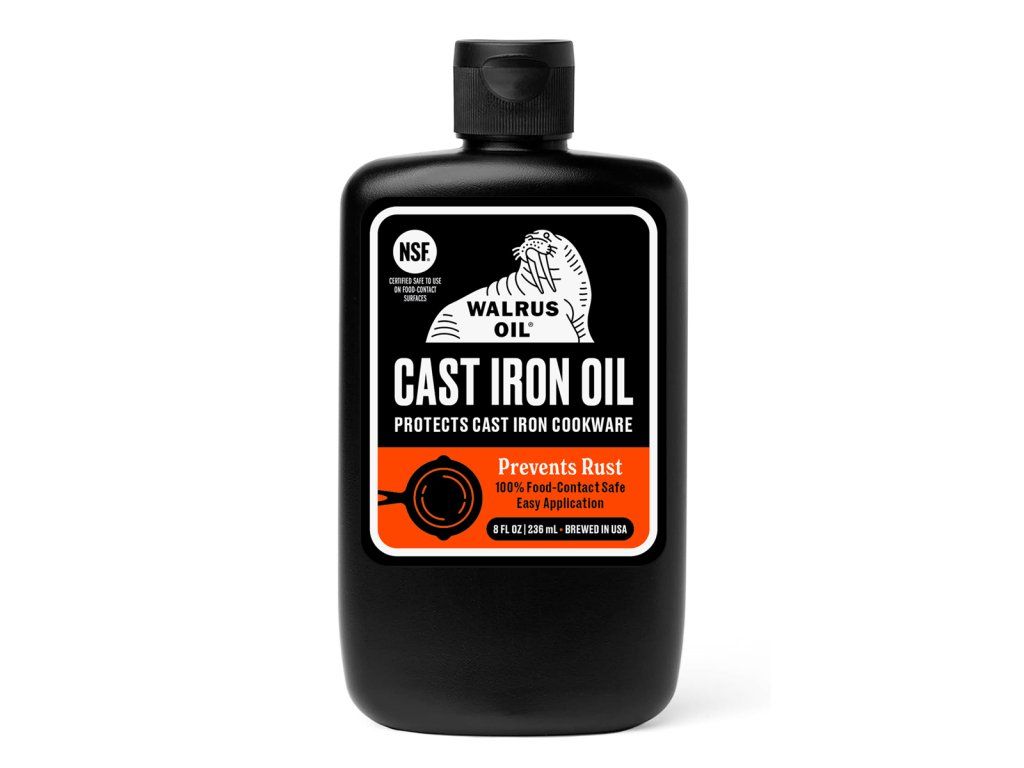
Cast Iron Oil
CAST IRON COOKWARE · SEASONINGA natural oil for cast iron cookware — protection, seasoning and a non-stick surface.
Cast Iron Oil →Specifications you can rely on
Walrus Oil manufacturer data — label and product sheet
Carnauba wax cuts surface friction, castor wax repels water and extends the protection, fractionated coconut oil conditions the metal and keeps corrosion away.
Frequently asked questions
What the wax is for, how to apply it and how long it lasts.
What is Wally's Paste Wax?
A natural wax paste from Walrus Oil, developed as a metal conditioner: it protects table saw tops and tools with exposed metal surfaces from rust, cuts surface friction for smoother work and restores shine. It contains three ingredients — carnauba wax, castor wax and fractionated coconut oil.
How do I apply the wax?
Spread a small amount in a thin coat over clean metal with a cloth, let it dry for 2–4 hours and buff off the excess with a dry cloth.
Does it leave a sticky surface?
No. Once it has dried and the excess is buffed off, the surface stays smooth — with no sticky or greasy film to catch sawdust.
What surfaces is it suitable for?
Metal surfaces in the workshop: cast iron and steel table saw tops, saw blades, hand tools and other equipment with exposed metal surfaces.
Why wax the metal surfaces of machines?
For two reasons: the wax layer prevents rust on exposed metal and at the same time cuts surface friction — stock glides smoothly across the table, work is steadier, and both machine and tools look and perform like new.
How should I store the wax and how long does it last?
Cool and dry, with the tin firmly closed. Once opened, use it ideally within 1 year; stored properly, the product stays effective for 2 years and more.
Additional parameters
| Category: | Metal Care and Protection |
|---|---|
| Weight: | 0.165 kg |
| EAN: | 850072141183 |
Product rating
Be the first who will post an article to this item!
Discussion
Be the first who will post an article to this item!
Walrus Oil — oils and waxes with no chemicals, no synthetics
After a difficult childhood marked by health complications, Dave Darr graduated from college in 2009 and moved to Grand Rapids, Michigan. In his spare time he restored antique furniture and began experimenting with unique, all-natural ingredients that could be used as a wood finish.
#ShowMore#
A few years later Dave moved to Ozark and started a commercial woodworking business, supplying restaurants with tables and cutting boards made from local timber sourced in the Ozark Mountains. He noticed the market lacked food-safe wood finishes with transparent ingredient lists — so he began bottling and selling his own proven recipes. He called them “Walrus Oil”, a name loosely inspired by the impressive moustache he was known for.
Since day one, Walrus Oil has donated profits to environmental programmes. In 2020 the company partnered with the National Forest Foundation, pledging to plant several thousand trees a year. In 2021 it deepened that commitment by becoming an official tree-planting partner. Walrus Oil is also an official member of 1% For The Planet.
What are you finishing? Walrus has an answer
Pick a surface — and see every product made for it, ordered from the essentials to the extras.
Four worlds of natural care
From a cutting board to a cast-iron skillet — everything Walrus Oil makes, neatly sorted.
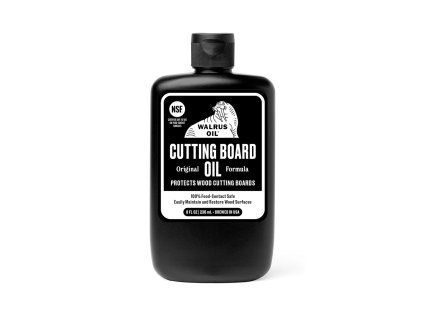 Kitchen & boardsoils and waxes safe for food contact Natural finish
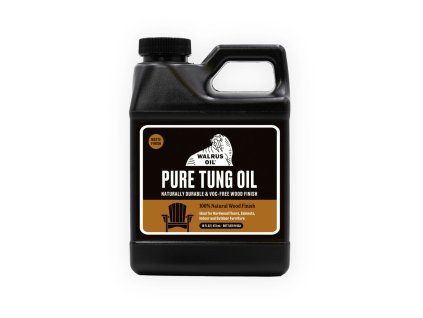 Wood & furnituretung and linseed oil, furniture waxes Rust protection
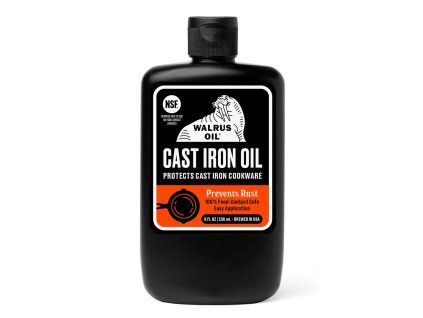 Metal & toolscast iron, knives, axes — seasoning and protection After work
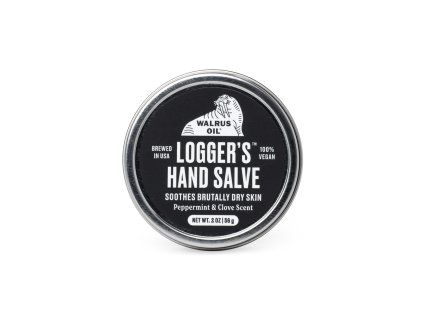 Hands & skinsalve for dry, cracked hands
A board like new — oil and wax
Two steps, one whole: the oil saturates the wood deep down, the wax seals it and adds a soft satin sheen.
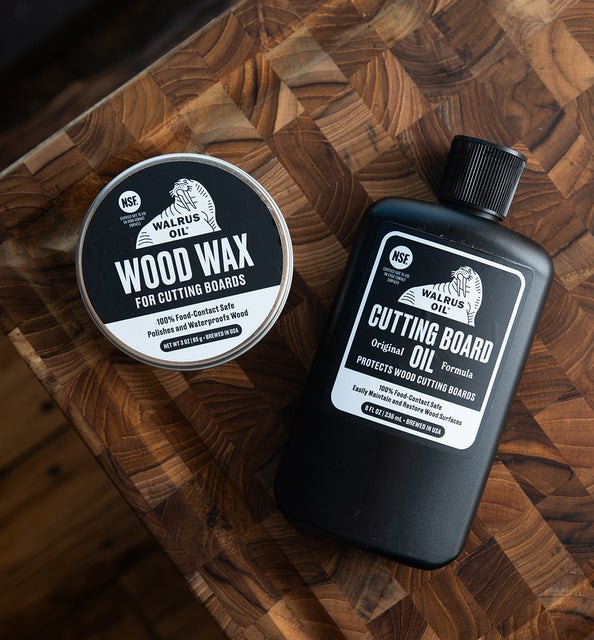 The Walrus ritualFifteen minutes of work, months of protection.
Apply a generous coat and let the wood drink. The oil penetrates deep, restores colour and water repellency — wipe off the excess once it has soaked in.
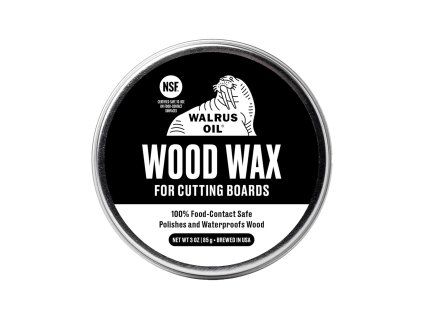
A thin coat of wax closes the oiled surface and adds a soft satin sheen. Let it set, then buff with a non-abrasive cloth.
What do you make with Walrus Oil?
The three most common scenarios among our customers — with specific products and links.
Kitchen
Boards & kitchen wood
Cutting boards, serving boards, bowls and spoons. All food-contact safe — NSF certified, FDA GRAS, free of VOCs and fragrance. Suitable for commercial kitchens too.
Proven products Board OilWood WaxCare Kit Everything for kitchen wood →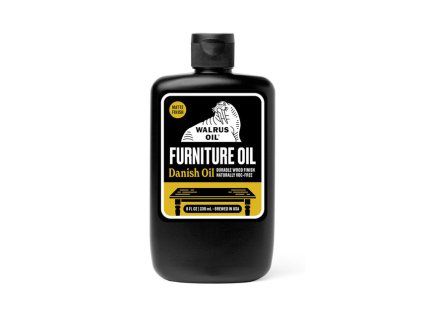 Restoration
Furniture & tables
Where Walrus Oil began — Dave Darr restored antique furniture. Furniture Oil revives dried-out wood; Butter and Polish nourish and bring back the shine. For dining tables, reach for tung oil.
Proven products Furniture OilButterPure Tung Explore the full range →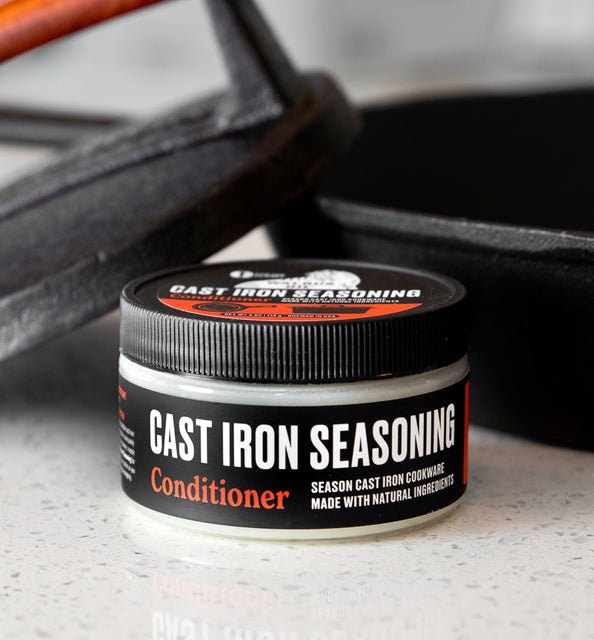 Workshop & outdoors
Cast iron, knives & tools
Seasoning a cast-iron pan, a rust-free knife blade, an axe ready for winter. Natural metal protection that belongs in the kitchen as much as the workshop — and isn’t afraid of food.
Proven products Cast IronKnife OilAxe Oil Everything for metal and tools →We’ll help you choose — and get it right
Guides and comparisons from our workshop — for exactly the products you see here.
 Comparison
Tung oil vs. linseed oil
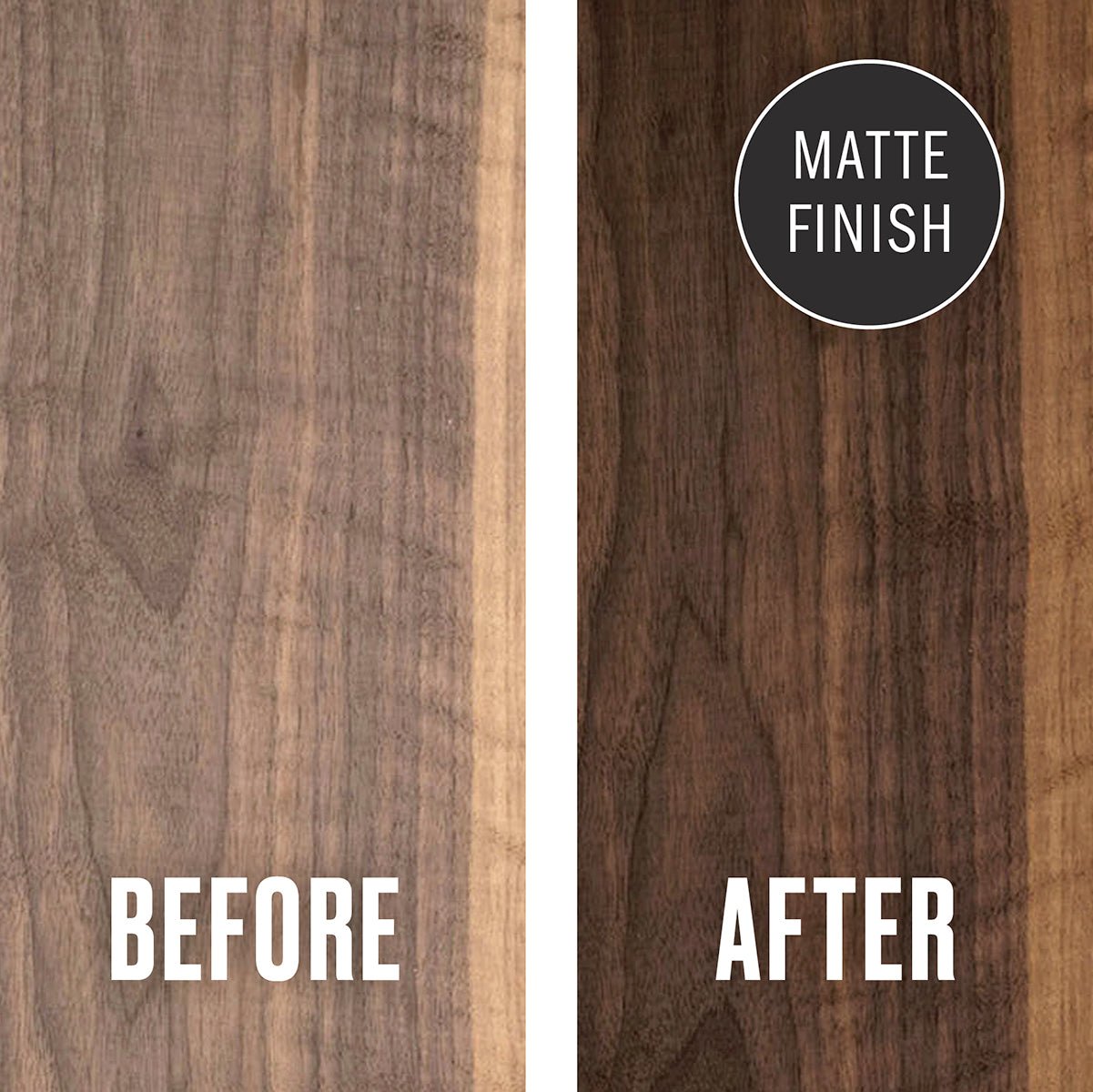
Which natural oil should you pick for furniture, a table or outdoor use? A full comparison of both oils from the Walrus Oil range — penetration, durability, curing and appearance, with before-and-after photos.
Read the comparison →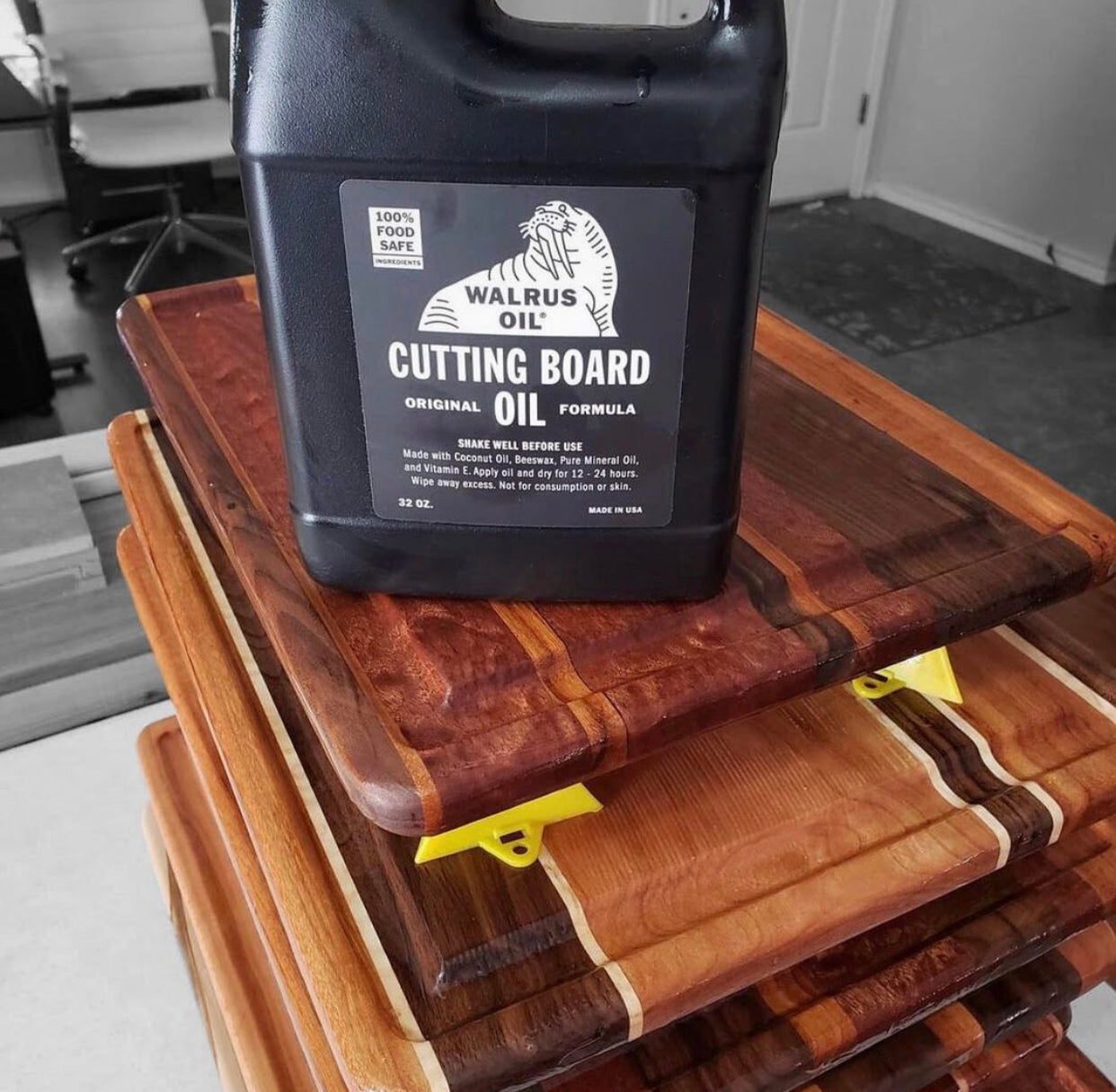 How-to
How to apply Walrus Oil oils and waxes
The complete process for a flawless wood finish: preparation, sanding, applying oil and wax, and curing times — step by step, straight from the maker.
Read the guide →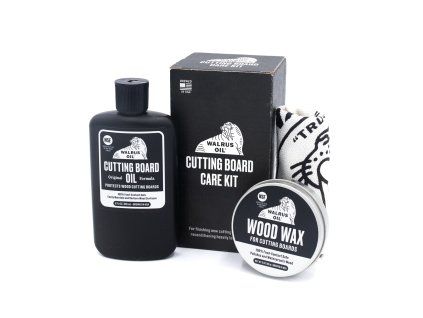 Coming soon
How to care for a cutting board
Oil, wax, how many coats and how often? A practical guide to caring for boards and wooden kitchen tools — from the first treatment to regular upkeep.
Read the guide →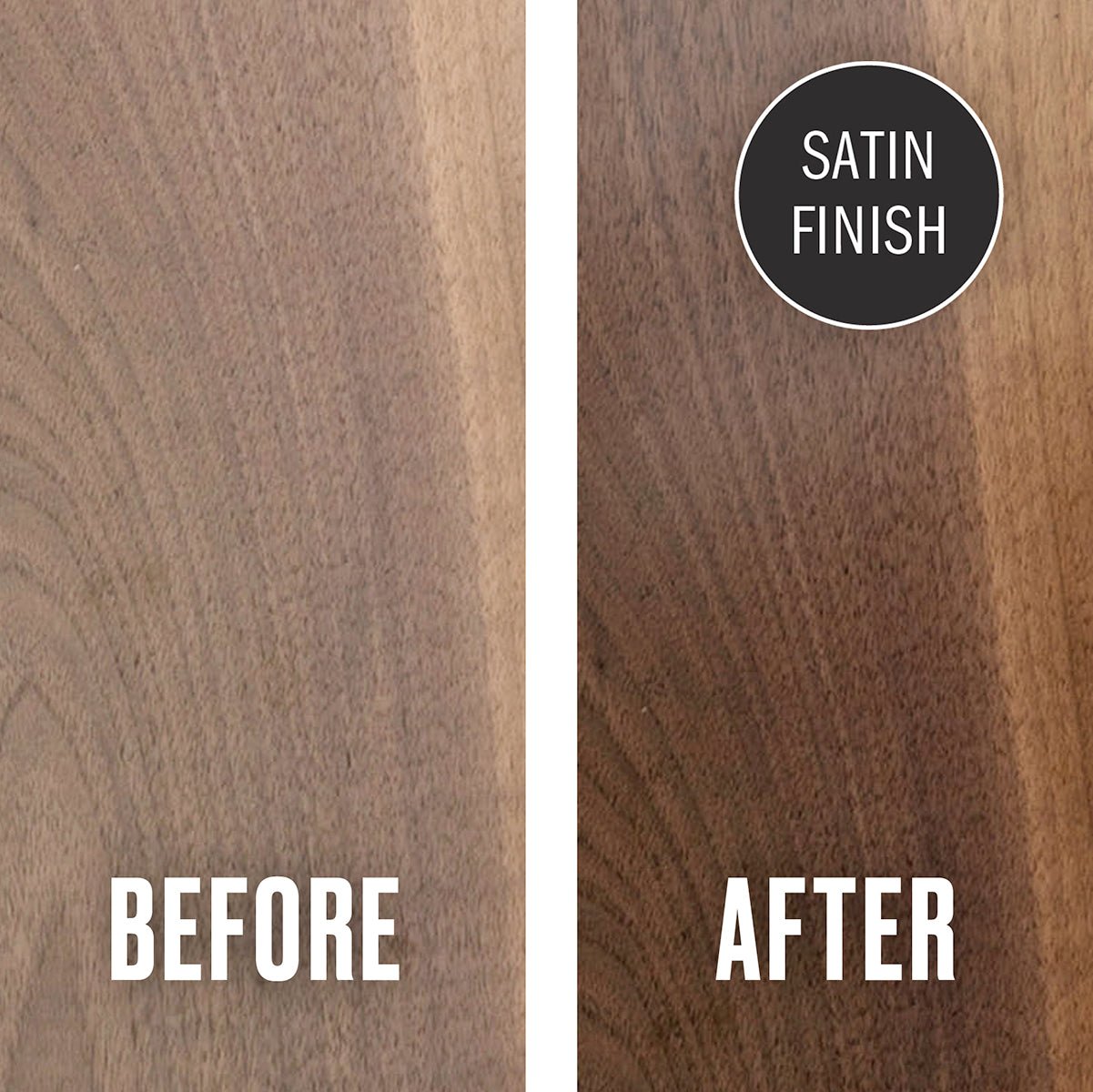 Coming soon
Blotchy finish after oiling?
The five most common causes of an uneven surface — too much oil, poor sanding, damp wood — and how to fix them and avoid them next time.
Read the fix →Coming soon
Seasoning a cast-iron pan
How to get a non-stick surface and rust protection from cast iron — the first seasoning, reviving an old pan and everyday care after cooking, step by step.
Read the method →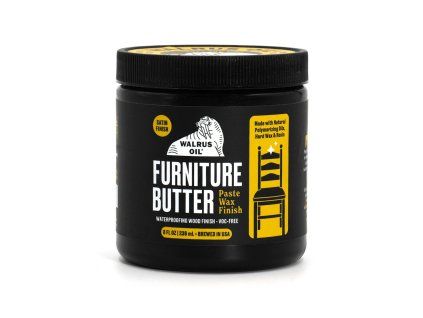 Coming soon
Caring for wooden furniture
Oil, butter or wax? When to reach for which, how to revive an antique, and how long to let the surface cure before it goes back into use.
Read the guide →See how they work with Walrus Oil in Ozark
Short videos straight from the maker’s workshop — application, step by step.

A brand you can see all the way to the bottom of the bottle.
Every ingredient is listed on the label. No chemicals, no synthetics, no compromises.
- Transparent formula — every ingredient legibly on the label
- Food-contact safe: NSF certified + FDA GRAS, vegan per AVA
- Official tree-planting partner of the National Forest Foundation, member of 1% For The Planet
- Over a million packages in kitchens and workshops worldwide since 2017
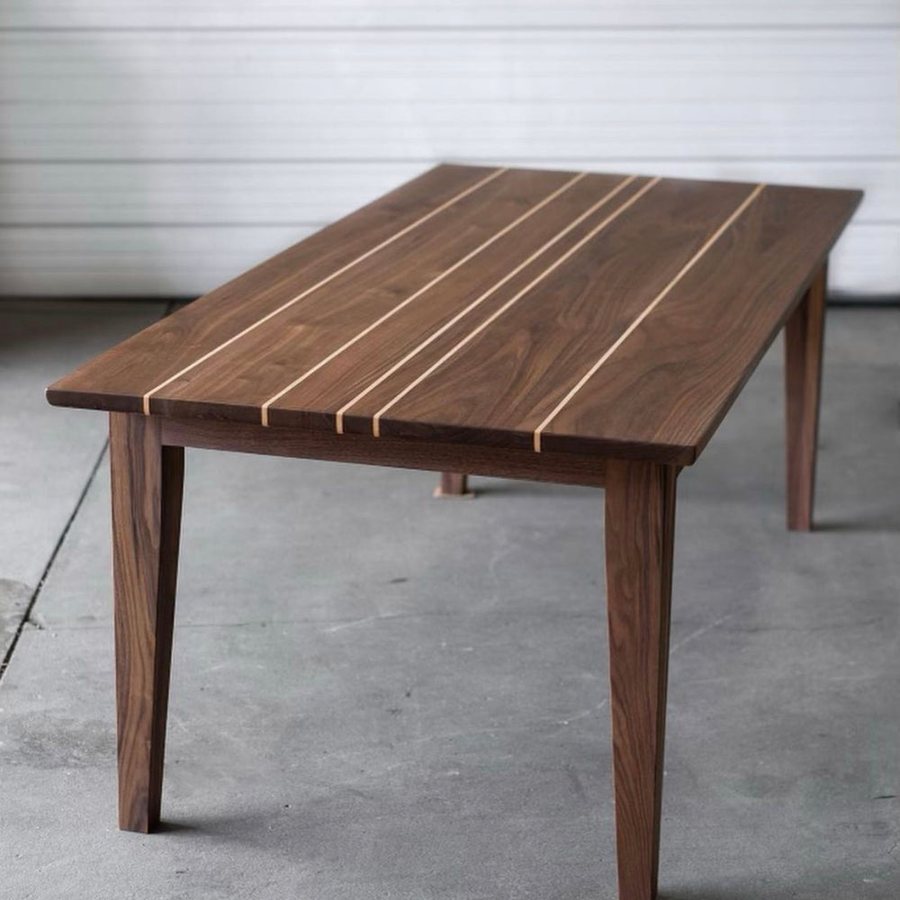
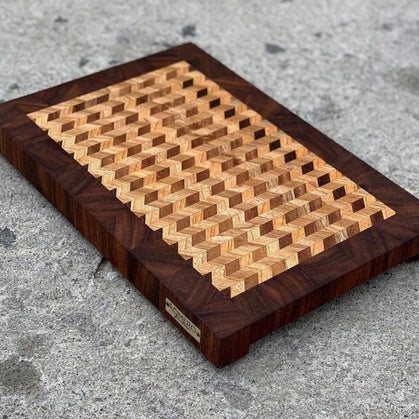
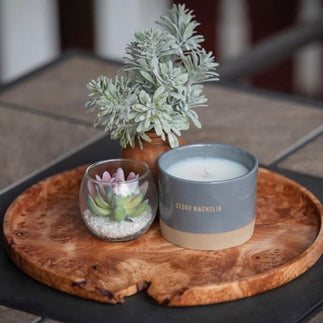
What people make with Walrus Oil around the world
Projects by craftspeople and hobby makers from the maker’s gallery.




All 14 Walrus Oil products in one table
From the kitchen to the workshop — the entire range we keep in stock.
| Product | World | Base | Strongest suit |
|---|---|---|---|
| Cutting Board Oil | Kitchen | oil | saturates and protects cutting boards — NSF, FDA GRAS |
| Wood Wax | Kitchen | wax | seals the oiled surface, soft satin sheen |
| Cutting Board Care Kit | Kitchen | set | complete board care in a single purchase |
| Fractionated Coconut Oil | Kitchen | oil | quick everyday upkeep for boards and surfaces |
| Pure Tung Oil | Wood | oil | 100% tung oil — a deep, natural finish |
| Polymerized Linseed Oil | Wood | oil | faster-curing linseed oil, a tougher film |
| Furniture Oil | Furniture | oil | revives and protects wooden furniture |
| Furniture Butter | Furniture | wax | wax nourishment, a velvety matte surface |
| Furniture Polish | Furniture | wax | revives and adds shine to finished surfaces |
| Cast Iron Oil | Metal | oil | seasoning and a non-stick cast-iron surface |
| Cast Iron Seasoning | Metal | conditioner | first coats and restoration of cast-iron cookware |
| Knife Oil | Metal | oil | rust-free blades + care for wooden handles |
| Axe Oil | Metal | oil | axes and tools against rust, care for handles |
| Logger's Hand Salve | Hands | salve | extremely dry, cracked hands after work |
SDS to download — transparency for every product
Original safety data sheets from the maker (EN, PDF). Need one in another language? Write to us at info@topepoxy.eu.
What you ask us about Walrus Oil
Are the products genuinely safe for food contact?
Yes. The kitchen range is NSF certified and meets FDA GRAS (food-contact safe). The products are also vegan, certified by the American Vegetarian Association, and contain no VOCs or fragrance — suitable for sensitive users and commercial kitchens alike.
Oil or wax for a cutting board?
Both — each does a different job. Cutting Board Oil penetrates the wood, saturates it and restores water repellency. Wood Wax then seals the surface and adds a soft satin sheen. The best result is the combination: oil first, wax once it has soaked in.
What is the difference between tung and linseed oil?
Pure Tung Oil is a 100% pure natural oil — it penetrates deeply, beautifully enhances the grain and creates a water-resistant surface, but cures more slowly. Polymerized Linseed Oil is heat-treated linseed oil — it cures faster and forms a tougher film. Both are suitable for dining tables and boards.
How often should I treat the wood?
It depends on use. A reliable cue: as soon as the wood looks dry, lightens in colour or stops repelling water, it is time to oil. For heavily used boards, a quick top-up with coconut oil between full treatments helps.